The Ultimate NFC Card Guide: Revolutionizing How You Connect and Share
In an increasingly digital world, the way we exchange information is undergoing a massive transformation. The days of carrying bulky stacks of paper business cards—only for them to be lost or thrown away—are coming to an end. Enter the NFC card. Whether you are an entrepreneur, a salesperson, or a creative professional, this NFC card guide will walk you through everything you need to know about this game-changing technology.
What is an NFC Card?
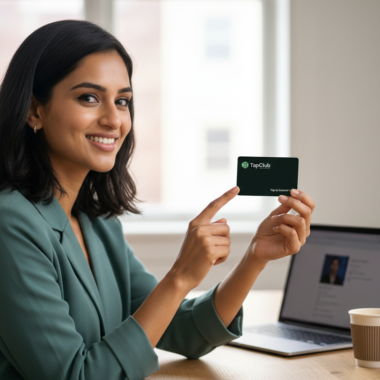
NFC stands for Near Field Communication. It is a short-range wireless connectivity technology that allows devices to communicate when they are within a few centimeters of each other. An NFC card is a physical card (usually made of plastic, metal, or wood) embedded with a small microchip and an antenna.
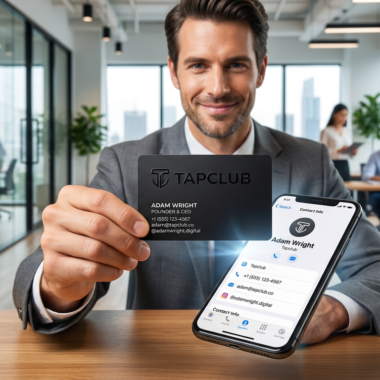
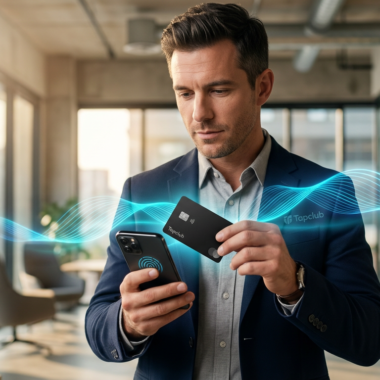
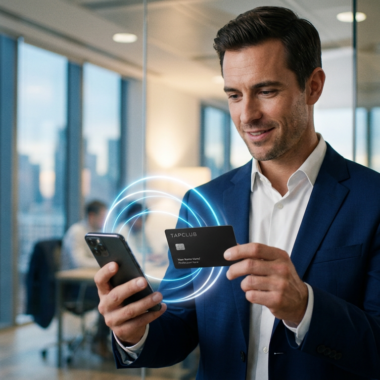
When you tap an NFC card against a modern smartphone, it triggers an action on the phone—such as opening a website, saving a contact, or launching a portfolio—without the need for any special apps or manual data entry.
How Do NFC Cards Work?
Understanding the mechanics behind the technology is a crucial part of any NFC card guide. NFC is a subset of RFID (Radio Frequency Identification) technology. Here is the simple three-step process of how a transaction occurs:
- The Internal Chip: The card contains a passive chip that stores data (like a URL or a contact file).
- The Electromagnetic Field: When brought near a smartphone, the phone’s NFC reader emits a small electromagnetic field that powers the card’s chip.
- Data Transfer: The chip sends its stored information to the phone via radio waves, and the phone executes the command instantly.
The Benefits of Switching to NFC
Why are millions of professionals ditching paper for digital? The advantages are numerous and span across efficiency, sustainability, and branding.
1. Sustainability and Eco-Friendliness
Millions of business cards are printed every year, and statistics suggest that over 80% are tossed in the trash within a week. An NFC card is a one-time purchase. By using a single permanent card, you drastically reduce your carbon footprint and eliminate paper waste.
2. Real-Time Updates
One of the biggest frustrations with traditional cards is that they become obsolete the moment you change your phone number or job title. With an NFC card, you can update your digital profile at any time. Your physical card remains the same, but the information it shares is always current.
3. Enhanced First Impressions
Tapping a card to a client’s phone creates a “wow” factor. It demonstrates that you are tech-savvy and forward-thinking. It’s a conversation starter that sets you apart from competitors who are still handing out paper.
4. Contact Management Integration
NFC cards don’t just share your number; they can share links to your LinkedIn, your portfolio, payment links (like PayPal or Venmo), and even video introductions. This ensures that the person you meet has all the tools they need to follow up with you immediately.
How to Use Your NFC Card Effectively
Simply owning the card isn’t enough; you need to know how to maximize its potential. In this section of our NFC card guide, we look at best practices for networking.
Optimizing Your Digital Profile
Most NFC cards link to a landing page. Make sure this page is mobile-optimized, loads quickly, and contains a clear Call to Action (CTA). High-quality headshots and clickable social media icons are essential.
The “Tap” Technique
Not all phones have the NFC reader in the same spot. On iPhones, the reader is typically at the very top of the device near the camera. On Android devices, it is often in the center of the back. Knowing this allows for a seamless, professional exchange without the awkwardness of hunting for the “sweet spot.”
Choosing the Right NFC Card for Your Needs
When selecting a card, consider the following factors:
- Material: PVC is durable and affordable. Metal cards offer a premium, heavy feel that exudes luxury. Wood cards are perfect for brands focused on nature and sustainability.
- Security Features: Ensure your provider offers encryption or the ability to “lock” the card so others cannot overwrite your data.
- Software Compatibility: Some cards come with proprietary apps, while others are “unlocked,” allowing you to write any URL to them using free tools like NFC Tools.
Common Misconceptions About NFC Technology
Despite its growing popularity, some myths persist. Let’s clear them up:
“It Drains My Battery”
NFC uses a negligible amount of power. In fact, it only draws power from the reader device for a millisecond during the actual tap.
“It’s Not Secure”
NFC cards are generally safer than traditional cards because you control the data. Since the range is so short (less than 4cm), it’s nearly impossible for someone to “skim” your info without you knowing.
The Future of Networking
As we conclude this NFC card guide, it’s clear that this technology is not just a trend—it’s the new standard. As smartphones become even more integrated into our daily lives, the friction of physical networking will continue to disappear. Investing in an NFC card today means you are prepared for the digital-first economy of tomorrow.
Ready to upgrade your networking game? Discover our range of premium NFC cards and start making connections that last. Choose a card that reflects your brand and step into the future of professional communication.